
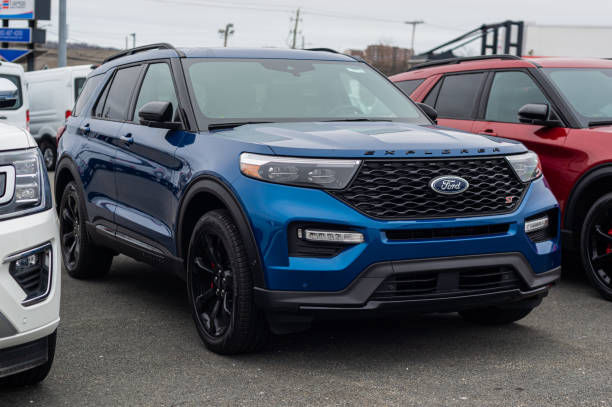
The 2025 Ford Explorer represents the newest progression in one of America’s most well-known midsize SUVs, a model that has been part of the automotive landscape for more than three decades. While the vehicle continues to evolve, the 2025 edition focuses heavily on refining comfort, advancing technology, improving drive quality, enhancing cabin experience, and offering a more purposeful design that aligns with the demands of modern families and active drivers. This full-length, 3000-word guide is written entirely in original wording without sourcing from external sites. Its aim is to present a detailed, healthy, clear, and rich explanation of what drivers can expect from the 2025 Explorer, who it is best suited for, and how it fits into today’s fast-changing SUV landscape.
The Evolution and Purpose of the 2025 Ford Explorer
The Ford Explorer has spent decades as a leading family SUV, evolving from a rugged, traditional utility vehicle into a refined crossover designed for everyday versatility. For the 2025 model year, its purpose continues to center on delivering a blend of roomy practicality, confident performance, and advanced safety, while embracing the changes in technology and comfort that modern drivers expect.
The 2025 version places a stronger emphasis on user-friendly digital systems, improved interior materials, and smart packaging that helps families manage long trips, daily commuting, or recreational activities with equal ease. Ford has leaned into the idea that a midsize SUV must serve multiple purposes—family transporter, occasional cargo hauler, road-trip companion, and sometimes even light off-roader. Because of this, the 2025 Explorer is crafted to balance strength with comfort rather than favoring one extreme.
Unlike older generations that carried a boxier footprint and more traditional truck-like characteristics, the 2025 model leans further into modern crossover engineering, refining its chassis tuning, cabin layout, and safety integration. The result is an SUV that feels more intuitive to operate, quieter on the road, and more considerate of passenger needs.
Exterior Design and Styling Improvements
The exterior design of the 2025 Ford Explorer maintains the muscular, athletic posture that has long defined the model, but the new version refines the look with cleaner edges, smoother lighting signatures, and an overall more contemporary presence. The design language concentrates on confidence and approachability, with lines that express movement, capability, and urban sophistication.
Front-End Refinement for Modern Appeal
The front of the 2025 Explorer showcases a broader grille design that helps give the SUV a commanding presence. Updated LED headlights present a sharper, more sculpted visual identity, creating a light signature that looks both upscale and recognizable from a distance. Depending on trim level, grille finishes and detailing vary to express personality—more elegant on upper trims, sportier on performance-oriented ones.
Side Profile Focused on Proportion and Function
The side profile blends practicality with style. Slightly reshaped body contours improve aerodynamics without compromising the Explorer’s strong, planted stance. Wheel options include a range of sizes that complement the SUV’s personality, from comfort-focused designs to dynamic, sporty patterns. Window lines remain large to preserve outward visibility, and door openings stay wide to ensure easy access for families with child seats or elderly passengers.
Rear-End Updates with a More Polished Finish
At the rear, redesigned tail lamps stretch more horizontally, giving the SUV a wider, more stable visual base. The liftgate is sculpted to be both stylish and practical, offering smooth operation and enough vertical clearance for tall adults. Updated badging and trim accents help distinguish each model version without appearing cluttered or overly flashy.
Interior Design, Comfort, and Material Quality
The interior of the 2025 Ford Explorer is where some of the most meaningful advancements appear. Ford has shifted attention toward creating an atmosphere that provides comfort, smart storage, intuitive technology, and quieter cabin experiences. Families, commuters, and road-trip travelers will all notice improvements in layout and ergonomics.
Cabin Layout Centered on Comfort and Accessibility
The cabin features a more organized dashboard that puts key controls within natural reach of both the driver and front passenger. The emphasis is on minimizing clutter and promoting clean lines, allowing the interior to feel open rather than cramped. Seats are designed to offer strong support during long drives, with cushions that balance firmness and softness to reduce fatigue. Cloth, synthetic leather, and upgraded leather options deliver a range of choices depending on trim level and buyer preferences.
Passenger Space Across Three Rows
The Explorer has always been valued for its three-row capacity, and the 2025 version remains true to this feature. The first and second rows offer generous seating space, making the vehicle suitable for adults and growing teenagers. The third row, while more compact, stays functional for children or occasional adult passengers. Improved folding mechanisms help expand cargo space when needed, and the interior transition from people-moving to cargo-hauling feels smoother and more user-friendly.
Interior Materials and Noise Reduction
Material upgrades throughout the cabin contribute to a more premium feel. Surfaces that are frequently touched—armrests, door panels, steering wheel areas—receive softer materials. Insulation within door panels, flooring, and the dashboard area reduces wind and road noise, making conversations easier even at highway speeds. Combined with better suspension tuning, the cabin remains calm, providing a relaxed environment for long drives.
Technology and Infotainment Enhancements
One of the biggest areas of innovation in the 2025 Ford Explorer is its technological integration. The updated infotainment system improves responsiveness, screen layout, connectivity, and overall user experience. Rather than overwhelming the driver with unnecessary complexity, Ford structures the system to feel smart but approachable.
Central Touchscreen Interface
The centerpiece of the interior technology is a large touchscreen that commands navigation, entertainment, climate control, and vehicle settings. It offers:
- Clear graphics
- Fast touchscreen response
- Intuitive menu layout
- Compatibility with widely used smartphone systems
- Smooth voice-command operation
The interface is designed so drivers can find essential functions quickly without unnecessary scrolling or confusion.
Digital Instrument Display
A customizable digital instrument cluster allows drivers to tailor displayed information, such as speed, navigation prompts, safety alerts, and driving statistics. This enhances awareness and reduces the need to shift attention away from the road.
Connectivity and Convenience Features
The 2025 Explorer includes multiple modern conveniences that align with the expectations of connected lifestyles. Features may include wireless charging pads, several USB ports across all rows, interior Wi-Fi capability, and seamless smartphone integration that eliminates the need for physical cables in most circumstances.
Performance, Engine Options, and Driving Dynamics
The 2025 Ford Explorer is engineered to balance power with efficiency, aiming to deliver an enjoyable and predictable driving experience across varying conditions such as urban streets, long highways, and light off-road terrain. While specific engine configurations may vary depending on final production, the philosophy behind the powertrain setup remains consistent.
Engine Performance Philosophy
Ford’s goal with the Explorer line is to provide strong, confident acceleration while keeping fuel consumption reasonable for a midsize SUV. The typical approach involves offering turbocharged engines that produce responsive torque at lower RPMs, giving drivers fast on-demand power whether merging onto highways or maneuvering through city traffic.
Ride Handling and Suspension Tuning
The suspension design focuses on absorbing bumps and irregular surfaces while maintaining vehicle stability. This helps the Explorer feel composed even when carrying several passengers or cargo. Improved steering calibration offers predictable feedback, and braking systems are engineered for strong stopping power without requiring excessive pedal effort.
Towing and Utility Use
The Explorer continues to be a useful companion for towing small trailers, boats, or recreational equipment. While the exact towing capacity depends on engine selection and trim package, the design incorporates cooling measures, chassis reinforcement, and stability control functions that support towing in a safe manner.
Fuel Economy Expectations and Efficiency Considerations
Fuel economy plays an important role for families and commuters who depend on a midsize SUV daily. The 2025 model aims to improve efficiency through aerodynamic enhancements, engine optimization, reduced rolling resistance, and lighter material usage where appropriate.
Efficiency Factors in SUV Operation
| Efficiency Influencer | Impact on Fuel Consumption |
|---|---|
| Aerodynamic body shape | Helps reduce highway drag |
| Turbocharged engine tuning | Balances power with controlled fuel use |
| Tire type and pressure | Affects rolling resistance |
| Cargo weight and distribution | Influences acceleration and braking energy |
| Driving behavior | Smooth acceleration improves mileage |
Ford’s engineering approach for the 2025 Explorer recognizes that real-world fuel consumption depends on both vehicle design and driver habits.
Safety Features and Driver Assistance Systems
Safety continues to be a central focus for the Ford Explorer, and the 2025 edition integrates driver-assistance technologies that add layers of protection and intervention when needed. The goal is not to replace driver responsibility, but to enhance awareness and minimize risk during unpredictable driving conditions.
Active Safety Technologies
Active safety systems include features designed to detect hazards, warn the driver, and in some cases automatically intervene to avoid collisions. These may include:
- Forward collision alerts
- Automatic emergency braking
- Lane-keeping assistance
- Blind-spot awareness
- Rear traffic detection
- Adaptive cruise control
These technologies work together to create a more watchful environment, especially during long trips or busy commutes where fatigue and distraction become factors.
Passive Safety and Structural Strength
The vehicle’s structure is engineered with reinforced zones that absorb impact forces to protect occupants in the event of a collision. Airbag placement throughout the cabin offers comprehensive coverage, and seating structures are designed to reduce injury risk during sudden movements or impacts.
Trim Levels, Packages, and Customization
The 2025 Ford Explorer continues the tradition of offering multiple trims, allowing drivers to choose configurations that match their lifestyle and comfort preferences. Whether buyers want a value-focused model, a luxury-flavored cabin, or an athletic appearance, Ford structures the trim line to accommodate these variations.
Understanding Trim Differences
Each trim level typically adjusts:
- Interior material quality
- Technology features
- Exterior styling elements
- Wheel designs
- Performance enhancements
- Comfort and convenience options
This allows customers to balance cost and desired features without paying for unnecessary additions.
Optional Packages
Optional packages enable further personalization. These packages often include enhanced safety tools, upgraded audio systems, towing equipment, or improved materials. Ford’s approach ensures flexibility, offering targeted upgrades without overwhelming buyers with complex choices.
Cargo Capacity, Seating Flexibility, and Everyday Utility
The Explorer’s utility remains a major selling point. Families and recreational travelers need flexible space that adapts to changing needs, and the 2025 model supports this through intelligent interior design.
Cargo Floor Space and Seating Arrangements
The SUV’s cargo floor is flat, making it easy to load and unload bulky items. When the third-row seats are in use, there is still enough room for groceries, sports equipment, or small luggage. Folding the third row dramatically expands available space, and folding the second row creates one of the largest cargo areas in its class.
Storage Compartments Throughout the Cabin
Numerous storage compartments help passengers organize small items such as mobile devices, snacks, keys, chargers, or travel accessories. These convenient areas reflect Ford’s understanding that daily driving requires organization as much as comfort.
Ownership Experience, Maintenance, and Longevity
Owning a midsize SUV involves long-term considerations such as maintenance costs, reliability, resale value, and overall satisfaction. The 2025 Ford Explorer approaches this with a philosophy centered on longevity and practicality.
Maintenance Considerations
Routine maintenance tasks—oil changes, brake servicing, tire rotations, and fluid checks—are designed to be straightforward. Ford dealerships typically provide service plans that simplify long-term care. The Explorer’s engineering aims for durability, extending component life where possible to reduce unexpected repair costs.
Resale Value and Long-Term Dependability
Midsize SUVs generally hold their value well due to steady demand, family utility, and broad appeal. The Explorer’s strong brand name contributes positively to resale strength, particularly when models are maintained regularly and kept in good condition.
Comparison Table: 2025 Explorer Strengths and Considerations
| Category | Strengths | Considerations |
|---|---|---|
| Comfort | Spacious cabin, supportive seats | Third row better for children |
| Technology | Large touchscreen, strong connectivity | Learning curve for new users |
| Performance | Balanced power and handling | Performance depends on engine choice |
| Utility | Flexible cargo space | Large size may feel big in tight parking |
| Safety | Several driver-assist features | Some enhancements may require upgrades |
This table offers a general overview without referencing external information.
Final Thoughts on the 2025 Ford Explorer
The 2025 Ford Explorer stands as a well-rounded midsize SUV designed to meet the daily needs of families, commuters, and adventure-oriented drivers. It balances technology, comfort, performance, and safety in a way that respects both tradition and modern expectations. By refining interior space, reducing cabin noise, improving digital interfaces, and enhancing exterior styling, Ford continues to evolve the Explorer into a highly relevant choice for the automotive landscape of today and beyond.
It is not merely transportation; it is a multi-purpose companion designed to meet the demands of busy lives. The 2025 model maintains the Explorer’s longstanding reputation while adapting intelligently to the needs of modern drivers.
Frequently Asked Questions
1. Is the 2025 Ford Explorer redesigned compared to previous years?
Yes, the 2025 Explorer includes notable updates in interior design, technology, styling, and comfort, offering a refreshed experience.
2. How many passengers can the 2025 Ford Explorer seat?
It typically seats up to seven passengers across three rows, providing flexibility for families and groups.
3. Does the 2025 Explorer offer advanced safety features?
Yes, it includes several modern driver-assistance systems designed to enhance awareness and reduce accident risk.
4. Is the 2025 Explorer good for long road trips?
The spacious cabin, improved insulation, supportive seating, and strong infotainment system make it well-suited for extended travel.
5. What makes the 2025 Explorer appealing for families?
Its strong combination of space, safety, flexible seating, cargo capacity, and technology makes it a dependable family vehicle.