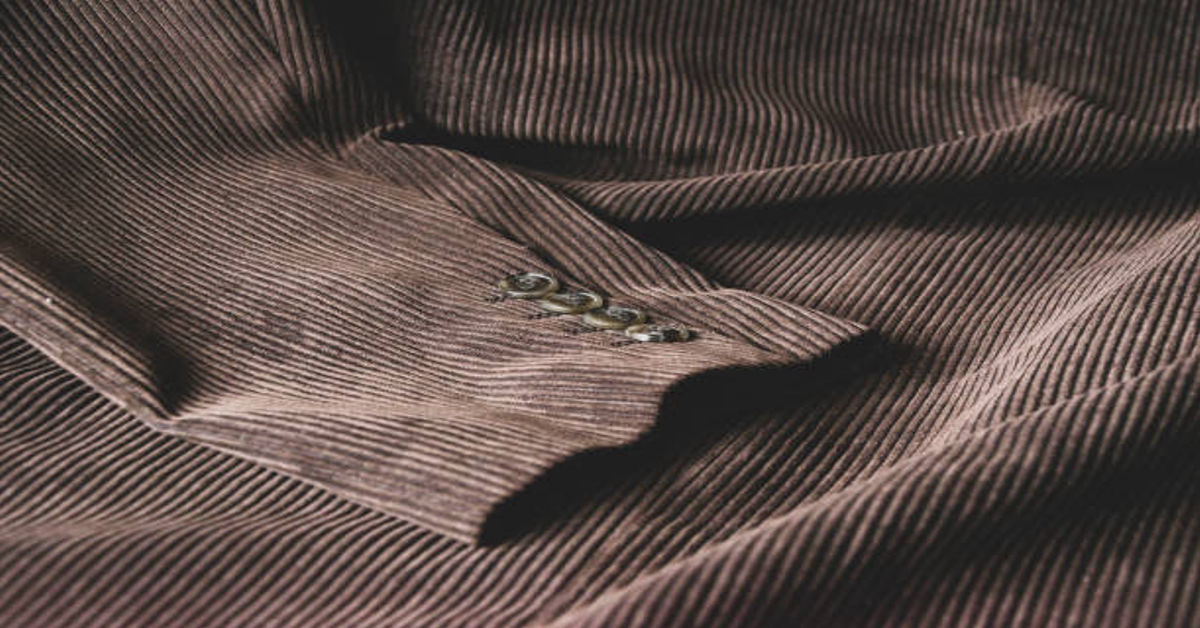
Corduroy is a textile known for its distinctive ribbed texture, durability, and versatility in both fashion and practical applications. Its unique structure, often described as “corded” or “corded velvet,” consists of parallel ridges called “wales” that give the fabric a raised, soft pile. This characteristic not only adds aesthetic appeal but also enhances durability, making corduroy a favored choice for clothing, upholstery, and workwear. Unlike smooth fabrics, corduroy combines tactile richness with resilience, allowing it to withstand repeated wear while maintaining a distinctive visual texture.
The fabric has evolved over centuries, adapting to cultural, technological, and fashion changes. Initially valued for utility, corduroy transitioned into high fashion during various periods, reflecting the intersection of practicality and style. Its enduring popularity is due to a combination of comfort, warmth, aesthetic variety, and adaptability across seasons. Understanding corduroy involves exploring its historical origins, weaving techniques, varieties, applications, and maintenance practices.
Historical Background of Corduroy
Corduroy’s origins are somewhat debated, with historians tracing its roots back to the 18th century in Europe. Early iterations of corduroy were created as durable work fabrics for laborers and rural populations. The fabric’s ribbed structure emerged from weaving techniques designed to strengthen the material while providing insulation. The word “corduroy” itself is believed to derive from the French phrase “corde du roi,” meaning “cord of the king,” although this etymology is disputed. Some sources suggest a more pragmatic origin in England, where the fabric was produced for both workwear and furniture upholstery.
During the Industrial Revolution, corduroy production expanded significantly due to mechanized weaving processes. Factories in England, and later in continental Europe and America, developed specialized looms capable of producing consistent wales and durable pile. By the late 19th and early 20th centuries, corduroy was widely used for trousers, jackets, and uniforms, valued for its ability to resist wear while providing warmth. Its popularity continued through the 20th century, particularly in casual and academic fashion during the 1970s, when corduroy became associated with intellectual and artistic communities.
Structure and Weaving Techniques
Corduroy is technically a pile fabric, meaning it has raised loops or cut threads that form a textured surface. The characteristic ridges or “wales” are created by weaving extra sets of yarns into the base fabric. The height, width, and spacing of the wales define the appearance and feel of the corduroy, creating variations in texture and thickness.
Key Components of Corduroy Fabric
| Component | Description | Function |
|---|---|---|
| Wale | Raised cord or ridge | Provides texture and aesthetic appeal |
| Ground Fabric | Base weave of warp and weft threads | Adds strength and structural support |
| Pile | Cut threads forming the raised surface | Enhances softness and warmth |
| Backing | Underside of fabric | Ensures stability and durability |
Corduroy is produced using a combination of weaving and cutting techniques. The fabric starts as a woven base, with pile threads inserted during the weaving process. After weaving, the loops of the pile are cut and brushed to produce a soft, velvety surface. The density and width of the wales influence both appearance and performance: wider wales tend to be more casual and durable, while finer wales are often used for refined garments like suits or skirts.
Types of Corduroy
Corduroy is not a single uniform material; its classification depends on wale count, thickness, and application. Common types include:
- Standard Corduroy: Medium wale count (8–12 wales per inch), versatile for trousers, jackets, and casual wear.
- Wide Wale Corduroy: Fewer wales per inch (4–7), softer and thicker, often used in outerwear and heavy trousers.
- Pinwale Corduroy: High wale count (more than 12 per inch), delicate texture, suitable for blouses, skirts, or refined apparel.
- Stretch Corduroy: Blended with elastane for flexibility, providing comfort in modern fitted garments.
- Cotton Corduroy: Pure cotton base, breathable and soft, common in shirts, pants, and jackets.
- Velvet Corduroy: Extremely fine wale count, luxurious finish, often used for upholstery or high-fashion pieces.
| Type | Wale Count | Typical Use | Characteristics |
|---|---|---|---|
| Standard | 8–12 | Trousers, jackets | Balanced durability and texture |
| Wide | 4–7 | Outerwear | Soft, warm, heavy-duty |
| Pinwale | >12 | Skirts, shirts | Delicate, elegant, refined |
| Stretch | Variable | Fitted garments | Flexible, comfortable |
| Cotton | Variable | Casual wear | Breathable, versatile |
| Velvet | >16 | Upholstery, fashion | Smooth, luxurious finish |
Corduroy in Fashion
Corduroy has maintained a cyclical presence in fashion trends, alternating between workwear necessity and high-fashion statement. Its versatility allows it to serve both functional and aesthetic roles. In the 1960s and 1970s, corduroy gained popularity in academic and bohemian circles, particularly in jackets, blazers, and pants. The fabric’s textured appearance provided visual interest and a sense of casual sophistication.
Modern fashion continues to embrace corduroy for its adaptability. Designers incorporate corduroy into tailored suits, casual trousers, skirts, dresses, and even accessories like bags and hats. Color variety, from muted earth tones to vibrant seasonal shades, allows the fabric to align with seasonal collections while retaining its unique texture. Corduroy’s tactile and visual qualities also contribute to layering strategies, making it ideal for autumn and winter outfits where both warmth and style are important.
Corduroy Beyond Clothing
While clothing is the most visible application, corduroy also serves practical roles in home décor and industrial use. Upholstery is a major segment, as the fabric’s durability and texture create comfortable seating with a visually appealing surface. Corduroy cushions, sofas, and chair coverings remain popular due to the fabric’s resistance to wear and ability to mask minor stains or abrasions.
Additionally, corduroy is used in accessories such as hats, bags, and shoes, where texture adds aesthetic richness. Its combination of durability and visual appeal makes it a versatile choice for items subjected to repeated handling. Industrial applications, though less common, include protective clothing and durable workwear due to corduroy’s abrasion resistance.
| Application | Benefits | Typical Use |
|---|---|---|
| Clothing | Comfort, texture, warmth | Pants, jackets, shirts |
| Upholstery | Durability, aesthetic appeal | Sofas, chairs, cushions |
| Accessories | Visual interest, strength | Bags, hats, shoes |
| Workwear | Resistance to wear | Heavy-duty garments, uniforms |
Care and Maintenance of Corduroy
Proper care extends corduroy’s lifespan and maintains its texture and appearance. Its pile can be prone to flattening, so gentle handling and specific cleaning methods are recommended.
Washing Guidelines
- Machine Wash: Use cold water and gentle cycles to prevent shrinking or damaging the pile.
- Detergent: Mild, non-bleaching detergents preserve color and softness.
- Turn Inside Out: Reduces friction and protects the raised wales.
- Avoid Overloading: Provides room for water and movement, preventing crushing.
Drying and Ironing
- Air Dry: Preferred to maintain texture; avoid high heat which can flatten pile.
- Low Heat Ironing: If necessary, iron inside out with minimal pressure. Using a pressing cloth protects the surface.
- Brushing: A soft-bristled brush can restore pile and remove lint after drying.
Storage
- Hang Garments: Prevents creasing, particularly for jackets and trousers.
- Avoid Compression: Piling garments tightly can crush wales.
- Rotate Wear: Regular rotation prevents uneven wear patterns in frequently used items.
Corduroy’s Durability and Sustainability
Corduroy is inherently durable due to its dense pile and structured weaving. With proper care, garments and furnishings can last many years. Cotton-based corduroy is biodegradable, and modern production increasingly integrates organic cotton or recycled fibers to improve sustainability.
Compared to synthetic fabrics, cotton corduroy provides environmental advantages in terms of biodegradability, though conventional cotton cultivation can be resource-intensive. Innovations in sustainable corduroy production include reduced water usage, organic fertilizers, and eco-friendly dyes, aligning the material with contemporary sustainable fashion initiatives.
Modern Trends and Innovations
Corduroy has experienced resurgence in fashion trends, often blending retro appeal with modern functionality. Designers experiment with bold colors, mixed fabrics, and hybrid textures, combining corduroy with denim, wool, or synthetic fibers. Pinwale corduroy appears in luxurious tailoring, while wide-wale corduroy is favored for casual, utilitarian styles.
Streetwear and athleisure collections have also incorporated corduroy, adapting its warm, textured feel for contemporary lifestyles. Corduroy sneakers, backpacks, and hats illustrate its versatility beyond traditional applications. Technological innovations in weaving and dyeing allow for lightweight, stretchable, and moisture-resistant variants, broadening the material’s functional scope.
| Trend | Description | Target Use |
|---|---|---|
| Retro Revival | Vintage-inspired colors and styles | Jackets, trousers |
| Luxury Pinwale | Fine wale corduroy | Suits, skirts |
| Hybrid Textiles | Blended fabrics with stretch | Casual and fitted clothing |
| Streetwear | Corduroy sneakers and accessories | Youth-oriented fashion |
| Sustainable Variants | Organic/recycled fibers | Eco-conscious markets |
Conclusion
Corduroy remains a timeless textile, balancing aesthetic appeal, practicality, and versatility. Its historical significance, distinctive structure, and adaptability to both fashion and utility contribute to its enduring popularity. From workwear and upholstery to modern fashion trends, corduroy illustrates how a simple fabric can evolve into a culturally and technically significant material. Proper care, innovative production, and thoughtful application ensure that corduroy remains relevant in both contemporary style and sustainable textile practices.
Its ribbed texture, variety of wales, and tactile richness make it a distinctive choice for designers, consumers, and manufacturers alike. The fabric’s history demonstrates how durability, practicality, and fashion sensibilities can intersect to create a textile that transcends generations, reflecting cultural values, technological progress, and aesthetic preference.
FAQs
1. What is corduroy fabric made of?
Corduroy is typically made from cotton, sometimes blended with synthetic fibers or elastane for stretch.
2. How do the different types of corduroy vary?
Corduroy types vary by wale count, thickness, and application, including pinwale, wide-wale, standard, and stretch variants.
3. How should corduroy be washed?
Corduroy should be washed cold, inside out, on gentle cycles, with mild detergent, and preferably air-dried.
4. What are the main uses of corduroy?
Corduroy is used in clothing, upholstery, accessories, workwear, and fashion-forward designs.
5. Is corduroy sustainable?
Cotton-based corduroy is biodegradable, and sustainable variants use organic or recycled fibers to reduce environmental impact.