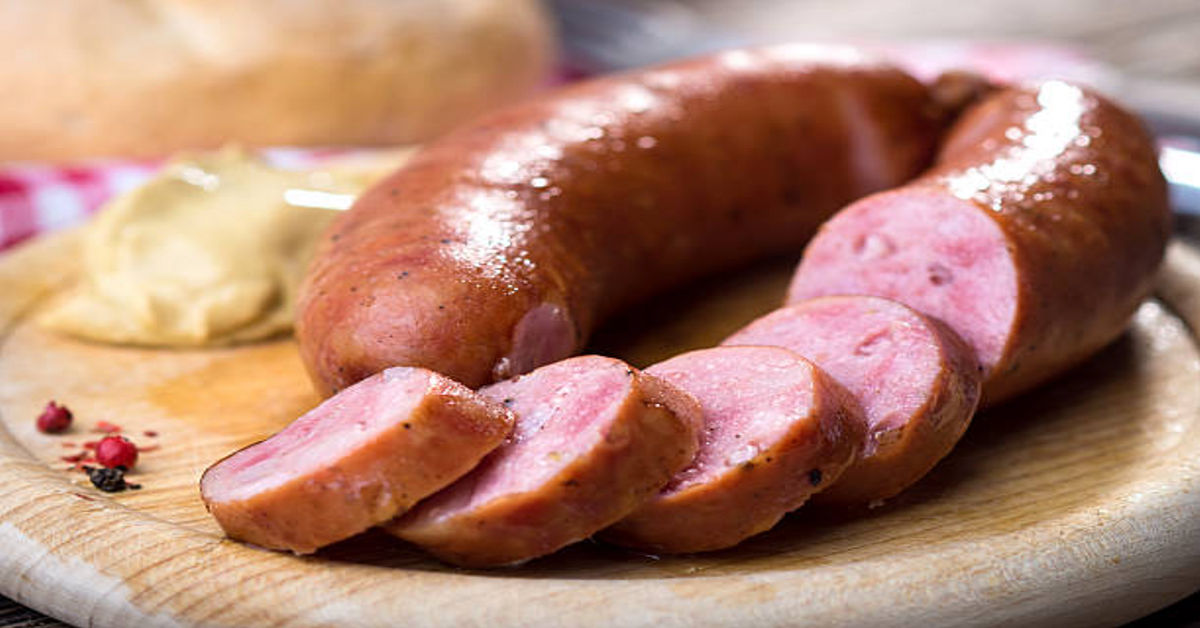
Kielbasa is one of the most iconic and versatile sausages originating from Poland, celebrated globally for its distinctive flavor, texture, and cultural significance. Unlike other sausages, kielbasa has a unique combination of seasoning, meat composition, and preparation techniques that make it stand out in both traditional and modern culinary contexts. The word “kielbasa” literally translates to “sausage” in Polish, but in practice, it refers to a wide variety of sausages characterized by their smoked or fresh preparation, coarsely ground meat, and bold seasonings. Kielbasa is more than just a food item; it is a symbol of Polish heritage, often featured in festive occasions, holiday meals, and family gatherings. Its adaptability in cooking methods—from grilling to simmering in soups and stews—makes it a versatile ingredient in global cuisine.
The production of kielbasa requires skill and knowledge, particularly in balancing meat ratios, seasoning, and smoking techniques. Traditional kielbasa often combines pork with beef, veal, or sometimes poultry, with natural casings that provide a satisfying snap when cooked. Spices such as garlic, marjoram, pepper, and allspice create the characteristic aromatic flavor, while smoking over hardwood enhances depth and complexity. Understanding kielbasa involves examining its historical origins, types, production processes, nutritional profile, culinary applications, and its cultural significance both in Poland and abroad.
Historical Origins of Kielbasa
Kielbasa has a long and storied history, dating back several centuries. It is deeply rooted in Polish culinary traditions and has been documented in European cookbooks and trade records as early as the 13th century. The creation of sausage in Poland was initially a practical solution to preserving meat for long periods, especially during winter months when refrigeration was unavailable. Smoking and curing techniques allowed communities to store and transport meat while enhancing flavor, giving rise to the signature smoked sausages that became synonymous with kielbasa.
The popularity of kielbasa expanded with Polish migration throughout Europe and eventually North America. Polish immigrants brought their recipes, techniques, and culinary traditions, integrating them into the local food culture while preserving authenticity. In American cuisine, particularly in regions like Chicago, New York, and the Midwest, kielbasa became a staple at festivals, barbecues, and traditional dinners. Over time, variations emerged, reflecting regional tastes, available ingredients, and technological advancements in meat processing.
Types of Kielbasa
Kielbasa is not a singular product but encompasses a wide array of sausage types, each with distinct characteristics. Broadly, kielbasa can be categorized into fresh (uncooked), smoked, and cooked varieties. Some are ready-to-eat, while others require cooking before consumption. The meat composition, seasoning profile, and texture differ across types, making it suitable for a range of culinary applications.
Table: Common Types of Kielbasa
| Type | Meat Composition | Flavor Profile | Common Use |
|---|---|---|---|
| Wiejska | Pork and veal | Garlicky, slightly smoky | Grilling, soups, or roasting |
| Krakowska | Lean pork | Spicy, heavily smoked | Cold cuts, sandwiches, festive meals |
| Kiełbasa Biała (White) | Pork | Mild, fresh, uncooked | Soups (e.g., żurek), boiling |
| Podwawelska | Pork and beef | Garlic-flavored, lightly smoked | Pan-frying, slicing for platters |
| Myśliwska | Lean pork | Spicy, dense, smoked | Hiking, portable snacks, cold consumption |
| Kabanosy | Pork, sometimes mixed | Thin, dry, smoky | Snacking, charcuterie boards |
These types illustrate the diversity within the kielbasa family, highlighting variations in flavor, texture, and usage. Each type reflects regional culinary practices and the skill of the butcher, emphasizing tradition and customization.
Ingredients and Preparation Techniques
Traditional kielbasa preparation requires careful selection of high-quality meat, appropriate fat content, and natural casings. Pork is most commonly used, often combined with veal or beef to balance flavor and texture. Fat content is critical; it ensures juiciness and enhances the mouthfeel of the sausage. Lean meat alone may produce a dry, dense sausage lacking the characteristic richness.
Seasoning is another crucial element. Garlic, black pepper, marjoram, and nutmeg are frequently used, while some recipes include paprika, allspice, or coriander depending on regional preferences. The mixture is coarsely ground to preserve texture, then stuffed into natural casings made from cleaned intestines or synthetic alternatives for modern production.
Smoking is a defining characteristic of many kielbasa varieties. Hardwood smoking imparts a distinct aroma and flavor while also acting as a preservation method. The temperature, duration, and type of wood used (e.g., oak, beech, or hickory) significantly influence the final taste. After smoking, sausages are cooled, packaged, and either sold fresh, vacuum-sealed, or cooked further.
Table: Typical Ingredients for Traditional Kielbasa
| Ingredient | Purpose |
|---|---|
| Pork Shoulder | Base meat, rich flavor |
| Pork Fatback | Moisture, juiciness |
| Veal or Beef | Optional, balances texture |
| Garlic | Signature flavor |
| Marjoram | Herbal aroma, traditional seasoning |
| Black Pepper | Spicy undertone |
| Salt | Preservation, enhances taste |
| Casings | Shape and cooking integrity |
| Hardwood Smoke | Flavor depth, preservation |
This table emphasizes the balance between meat, seasoning, and preparation techniques, all of which contribute to authentic kielbasa flavor.
Cooking and Serving Methods
Kielbasa is highly versatile in cooking. Depending on type and regional tradition, it can be grilled, pan-fried, baked, boiled, or incorporated into soups and stews. Smoked varieties often require minimal cooking and can be served cold or reheated, while fresh or white sausages must be fully cooked before consumption.
In Polish cuisine, kielbasa is featured prominently in dishes such as żurek (sour rye soup), bigos (hunter’s stew), and pierogi fillings. In American cuisine, it is often grilled at barbecues, sliced for sandwiches, or included in casseroles. Pairings include sauerkraut, potatoes, mustard, and various pickled vegetables, which complement the sausage’s rich, savory flavor.
Table: Common Cooking Methods and Applications
| Cooking Method | Kielbasa Type | Culinary Use |
|---|---|---|
| Grilling | Smoked or fresh | Barbecue, outdoor meals |
| Pan-frying | Smoked or fresh | Breakfast platters, sandwiches |
| Boiling/Simmering | White or fresh | Soups, stews |
| Baking | Smoked or fresh | Casseroles, festive meals |
| Cold Consumption | Smoked, dry | Charcuterie, snacks |
This table highlights the adaptability of kielbasa in various culinary contexts.
Nutritional Profile
Kielbasa is a high-protein, calorie-dense food with moderate fat content, depending on preparation. While rich in protein and essential amino acids, it can be high in saturated fat and sodium, so moderation is recommended. Sausages made with leaner meat, reduced fat, or lower-sodium recipes offer healthier alternatives while preserving flavor.
A typical serving (100g) of traditional pork kielbasa provides approximately:
- Calories: 300–350 kcal
- Protein: 12–15 g
- Fat: 25–28 g
- Carbohydrates: 1–3 g
- Sodium: 800–900 mg
Kielbasa can be part of a balanced diet if consumed alongside vegetables, whole grains, and other nutrient-rich foods. Adjustments in cooking methods, such as grilling instead of frying, can further improve nutritional value.
Cultural Significance
Kielbasa holds profound cultural importance in Poland and among Polish communities worldwide. It is central to holidays such as Christmas and Easter, where families prepare or purchase specific varieties to honor tradition. Kielbasa-making is often a communal activity, with recipes passed down through generations.
Polish immigrants in the United States have popularized kielbasa across American cuisine. Cities with strong Polish heritage, such as Chicago and Buffalo, celebrate the sausage in festivals, parades, and culinary events. Beyond Poland and the U.S., kielbasa is embraced in other countries, adapted to local tastes while maintaining its identity as a symbol of heritage and culinary craftsmanship.
Storing and Preserving Kielbasa
Proper storage is essential to maintain flavor, texture, and safety. Smoked or fully cooked kielbasa can be refrigerated for up to two weeks and frozen for several months. Fresh or white sausages require immediate refrigeration and should be cooked within a few days. Vacuum-sealed packaging extends shelf life, while freezing helps preserve both taste and nutritional value.
When reheating, gentle methods like simmering, steaming, or baking are preferred to avoid drying or toughening the sausage. Grilling and pan-frying are ideal for enhancing flavor when serving immediately.
Pairing and Serving Suggestions
Kielbasa pairs well with hearty accompaniments such as potatoes, cabbage, sauerkraut, and rye bread. Mustard, horseradish, or creamy sauces complement its rich, smoky flavor. In drinks, it is often enjoyed with beer, cider, or light-bodied wines that balance the sausage’s intensity.
For contemporary culinary innovation, kielbasa can be diced into pasta dishes, added to pizzas, incorporated into grain bowls, or used as a filling for wraps and tacos. Its adaptability allows chefs and home cooks to experiment while respecting traditional flavors.
Frequently Asked Questions
1. What is kielbasa?
Kielbasa is a Polish sausage, either fresh or smoked, made with pork, beef, or veal and seasoned with garlic and spices.
2. How is kielbasa traditionally cooked?
It can be grilled, pan-fried, boiled, baked, or served cold if smoked.
3. What are popular types of kielbasa?
Common types include Wiejska, Krakowska, White (Biała), Podwawelska, Myśliwska, and Kabanosy.
4. Can kielbasa be stored long-term?
Smoked and cooked kielbasa can be refrigerated up to two weeks and frozen for months; fresh sausages should be cooked promptly.
5. How is kielbasa used in recipes?
It is used in soups, stews, casseroles, breakfast dishes, sandwiches, grilled platters, and charcuterie boards.