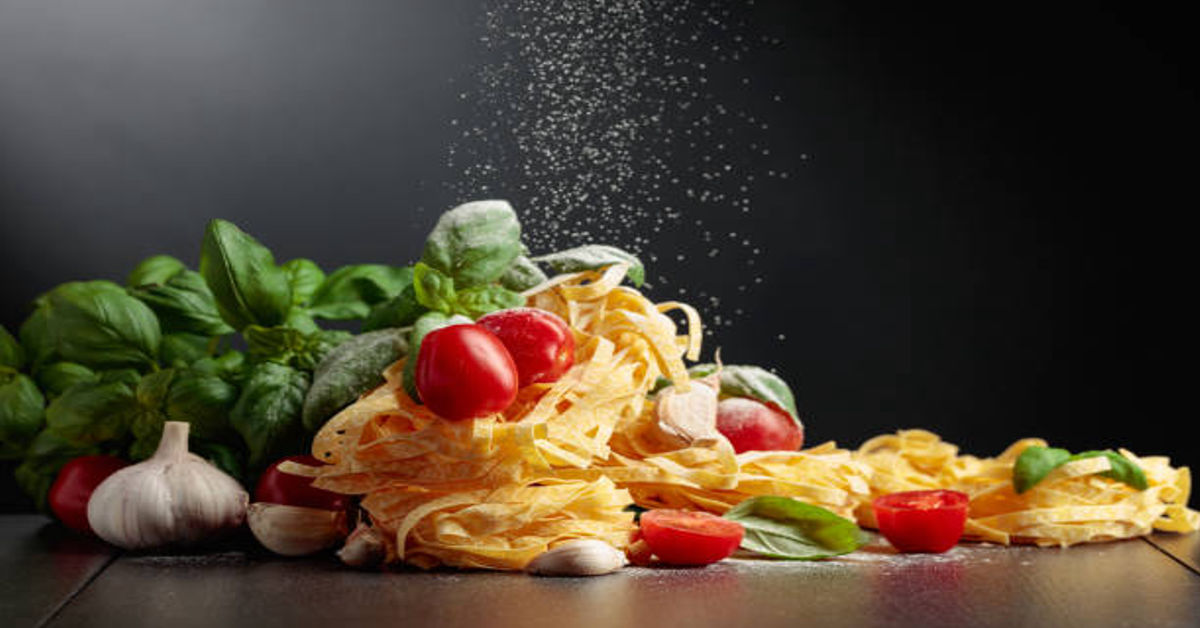
Tagliatelle is one of Italy’s most iconic types of pasta, recognized for its long, flat ribbons and versatile culinary applications. Unlike spaghetti or penne, tagliatelle possesses a unique texture and thickness, making it ideal for holding rich sauces, from meat-based ragùs to delicate cream sauces. It is a dish deeply rooted in Italian culinary traditions, originating in the Emilia-Romagna and Marche regions, where it became a staple of home cooking, festive meals, and fine dining. The name “tagliatelle” derives from the Italian verb “tagliare,” meaning “to cut,” which reflects the method of creating the pasta by slicing rolled-out dough into long, narrow ribbons. This simple yet labor-intensive process illustrates the craftsmanship embedded in Italian pasta-making culture.
Tagliatelle is more than a type of pasta; it is a representation of regional identity, culinary expertise, and artisanal tradition. Its preparation requires precision in rolling, cutting, and cooking, and the finished product demands a nuanced understanding of pairing with sauces, toppings, and complementary ingredients. Over the centuries, tagliatelle has evolved from a local specialty to a global culinary icon, appreciated by chefs and home cooks alike for its adaptability, texture, and ability to transform simple ingredients into refined dishes. Understanding tagliatelle involves exploring its historical development, ingredients, preparation techniques, varieties, nutritional value, and role in modern gastronomy.
Historical Origins of Tagliatelle
The origin of tagliatelle can be traced back to the Renaissance period in Italy, particularly in the Emilia-Romagna region, where it was often associated with special occasions and festive meals. Historical anecdotes suggest that tagliatelle was created as a fresh pasta alternative to dried varieties that were common at the time. Some legends attribute its creation to the courts of Italian nobility, where the ribbon-like shape was inspired by the hair of Lucrezia Borgia, although these stories are likely romanticized interpretations of culinary history.
In rural households, tagliatelle became a symbol of artisanal craftsmanship. Families often prepared the pasta by hand, combining high-quality durum wheat flour and fresh eggs, rolling it into thin sheets, and cutting it with precision. Unlike other pastas, tagliatelle’s wider and flatter ribbons allowed it to hold sauces better, making it particularly suitable for robust ragùs made with beef, pork, or game meats. Over time, the dish spread across Italy, with regional variations reflecting local ingredients, cooking techniques, and cultural influences. Today, tagliatelle maintains its historical roots while embracing modern adaptations, including variations suitable for gluten-free diets or artisanal recipes that fuse traditional techniques with contemporary flavors.
Ingredients and Dough Preparation
Tagliatelle dough is traditionally made with a few simple ingredients, yet the quality of each component profoundly affects the final product. The classical Italian recipe combines durum wheat flour or “00” flour with fresh eggs, though water and olive oil may be used in some variations. The ratio of flour to eggs is critical, as it influences texture, elasticity, and cooking performance.
The preparation process begins with forming a mound of flour on a clean surface, creating a well in the center, and adding eggs. The eggs are gradually incorporated into the flour to form a cohesive dough. The dough is kneaded extensively to develop gluten, which provides elasticity and structural integrity. Once smooth and pliable, the dough is allowed to rest for at least 30 minutes under a cloth or plastic wrap, ensuring uniform hydration and easier rolling. Resting also enhances the texture, preventing the pasta from shrinking or tearing during cutting.
After resting, the dough is rolled into thin sheets using either a rolling pin or a pasta machine. Thickness is crucial, with tagliatelle typically rolled to about 1–2 millimeters. The sheets are then folded or lightly dusted with flour and cut into ribbons approximately 6–10 millimeters wide. Proper cutting ensures uniform cooking and optimal sauce adherence. Tagliatelle can be served immediately or allowed to dry slightly for storage, although fresh preparation remains the hallmark of traditional Italian cuisine.
Dough Ingredients Table
| Ingredient | Typical Quantity | Function |
|---|---|---|
| Durum wheat flour | 100g | Provides structure and elasticity |
| Eggs | 1 large | Moisture, binding, and richness |
| Salt | Pinch | Enhances flavor |
| Olive oil (optional) | 1 tsp | Adds suppleness and flavor |
Varieties of Tagliatelle
While traditional tagliatelle is plain egg pasta, regional and modern adaptations have expanded its diversity. Variations often involve incorporating color, flavor, or ingredients into the dough or adjusting the width of the ribbons. These varieties not only provide visual appeal but also complement specific sauces and dishes.
Common Tagliatelle Varieties
| Variety | Characteristics | Ideal Pairings |
|---|---|---|
| Plain Egg Tagliatelle | Classic yellow ribbons | Meat ragù, mushroom sauces |
| Spinach Tagliatelle | Green hue, mild flavor | Creamy sauces, seafood |
| Beetroot Tagliatelle | Pinkish-red, slightly sweet | Goat cheese, walnuts |
| Whole Wheat Tagliatelle | Nutty flavor, firmer texture | Hearty vegetables, tomato sauces |
| Gluten-Free Tagliatelle | Made from rice or corn flour | Light vegetable sauces, dairy-based sauces |
Each variation reflects culinary creativity while maintaining the essential characteristics of tagliatelle: wide, flat ribbons capable of holding sauces and providing a satisfying bite. The introduction of colored and flavored doughs has allowed chefs to craft visually stunning dishes that appeal to modern diners while honoring traditional techniques.
Cooking Techniques and Best Practices
Proper cooking of tagliatelle is essential to preserve its texture, flavor, and ability to absorb sauces. Fresh tagliatelle requires only a few minutes in rapidly boiling, salted water, usually 2–4 minutes depending on thickness. Overcooking leads to a loss of elasticity, resulting in a soft, mushy texture, while undercooking leaves it tough and chewy. For dried or store-bought tagliatelle, cooking times may vary between 7–10 minutes.
After boiling, tagliatelle is often drained and immediately combined with sauce to ensure optimal flavor absorption. Tossing the pasta in the sauce rather than pouring the sauce over it allows for even coating and prevents separation. Some traditional recipes call for finishing the pasta directly in the sauce pan, incorporating a small amount of cooking water to create a smooth, cohesive texture that binds the noodles and sauce together.
Cooking Tips Table
| Step | Tip |
|---|---|
| Boiling | Use plenty of salted water for even cooking |
| Timing | Cook fresh pasta 2–4 minutes; dried 7–10 minutes |
| Draining | Reserve a small amount of water for sauce blending |
| Tossing | Combine pasta with sauce immediately after cooking |
| Serving | Serve promptly to preserve texture and flavor |
Understanding these techniques ensures that tagliatelle maintains its signature bite and successfully carries the flavors of accompanying sauces.
Traditional Sauces for Tagliatelle
One of tagliatelle’s defining features is its ability to pair with a variety of sauces, from hearty meat-based ragùs to delicate cream or vegetable sauces. The pasta’s wide surface area and firm texture make it particularly suited to thick sauces that cling to the noodles, creating a harmonious and flavorful experience.
Classic Meat-Based Sauces
- Bolognese Ragù: Originating from Bologna, this sauce combines ground beef or pork with onions, carrots, celery, tomatoes, and wine. Slow cooking develops deep, rich flavors that adhere perfectly to tagliatelle ribbons.
- Wild Boar Ragù: Traditional in certain Italian regions, this sauce incorporates game meat, aromatic herbs, and a touch of red wine, emphasizing earthy flavors that complement fresh pasta.
Cream and Cheese-Based Sauces
- Alfredo-Style Sauce: A blend of butter, cream, and Parmesan cheese coats tagliatelle evenly, producing a luxurious and silky dish.
- Gorgonzola Sauce: Blue cheese melts into cream, creating a robust, tangy sauce that contrasts with the mild pasta flavor.
Vegetable-Based Sauces
- Mushroom Cream Sauce: Sautéed mushrooms with garlic, shallots, and cream provide a delicate, earthy complement.
- Pesto Variations: Basil, spinach, or arugula pesto adds freshness, while the oily texture clings naturally to the noodles.
Sauce Pairing Table
| Sauce Type | Ingredients | Best Tagliatelle Variety |
|---|---|---|
| Bolognese | Beef, pork, tomatoes, onions | Plain egg tagliatelle |
| Alfredo | Butter, cream, Parmesan | Plain or spinach tagliatelle |
| Mushroom Cream | Mushrooms, cream, garlic | Plain or whole wheat |
| Pesto | Basil, olive oil, nuts, cheese | Spinach or beetroot tagliatelle |
| Wild Boar Ragù | Boar, herbs, red wine | Plain egg tagliatelle |
Nutritional Value and Health Considerations
Tagliatelle, like other pasta types, provides carbohydrates, protein, and essential nutrients, particularly when made from whole wheat or enriched flour. A standard serving delivers energy and can be part of a balanced diet when paired with vegetables, lean meats, or healthy fats. Egg-based tagliatelle contributes additional protein, vitamins, and minerals, while colored or vegetable-infused varieties add micronutrients and antioxidants.
Moderation is key, as pasta is calorie-dense. Combining tagliatelle with nutrient-rich sauces and vegetables enhances its health benefits, providing fiber, vitamins, and healthy fats. Whole grain or gluten-free versions offer options for dietary restrictions without sacrificing texture or flavor.
Nutritional Table (Per 100g Cooked Tagliatelle)
| Nutrient | Amount | Benefit |
|---|---|---|
| Calories | 150–180 kcal | Provides energy |
| Carbohydrates | 30–35 g | Sustained energy release |
| Protein | 5–7 g | Supports muscle and tissue repair |
| Fat | 1–3 g | Essential fatty acids |
| Fiber | 2–4 g | Digestive health |
| Vitamins & Minerals | Moderate | Contributes to overall nutrition |
Modern Uses and Culinary Innovations
Modern cuisine has embraced tagliatelle beyond traditional Italian dishes. Innovative chefs experiment with fusion flavors, pairing the pasta with seafood, exotic spices, or plant-based sauces. Tagliatelle can be incorporated into cold salads, stir-fries, or baked dishes, demonstrating its versatility. Ready-to-cook fresh and dried tagliatelle is now widely available, facilitating creative home cooking while preserving artisanal techniques.
Tagliatelle also plays a role in culinary competitions, pasta festivals, and cooking classes, emphasizing both technical skill and cultural appreciation. Its adaptability ensures continued relevance in contemporary gastronomy.
Conclusion
Tagliatelle is more than a type of pasta; it embodies Italian culinary tradition, regional identity, and culinary artistry. From its historical origins in Emilia-Romagna to modern adaptations worldwide, tagliatelle’s long, flat ribbons provide a canvas for a variety of sauces, flavors, and presentations. Its preparation requires skill, attention to texture, and knowledge of pairing with complementary sauces. By understanding its history, ingredients, varieties, cooking techniques, nutritional value, and modern applications, one gains a deep appreciation for this versatile pasta. Tagliatelle continues to inspire chefs, home cooks, and food enthusiasts, maintaining its status as a cornerstone of Italian cuisine and an enduring symbol of culinary excellence.
FAQs
1. What is the difference between tagliatelle and fettuccine?
Tagliatelle is slightly thinner and originates from Emilia-Romagna, while fettuccine is thicker and common in Lazio.
2. Can tagliatelle be made without eggs?
Yes, water-based dough can be used for vegan or egg-free versions, though texture differs slightly.
3. How long does fresh tagliatelle take to cook?
Fresh tagliatelle usually cooks in 2–4 minutes, depending on thickness, while dried may take 7–10 minutes.
4. What sauces pair best with tagliatelle?
Meat ragùs, creamy sauces, mushroom sauces, and pesto are ideal because they cling to the wide ribbons.
5. Can tagliatelle be frozen?
Yes, fresh tagliatelle can be frozen in portions to preserve texture and freshness for future cooking.